Yes, painting siding on a house is a practical and effective way to refresh the exterior without the high expense of a total replacement. Most common siding materials, including vinyl, wood, fiber cement, and aluminum, accept paint well if the surface is prepared correctly and the right products are used. This process extends the life of the material, covers fading, and allows for a complete color change to improve curb appeal.
A&M Painting Pros understands that homeowners often hesitate to paint siding due to concerns about peeling or material damage. However, modern paint technology provides coatings specifically engineered to expand and contract with temperature changes. This guide explains the technical requirements for different siding types and provides a clear path for achieving a durable finish.
Painting Different Siding Materials
Each siding material has unique physical properties that dictate how paint must be applied. Using the wrong product or skipping preparation steps leads to premature failure.
Vinyl Siding Requirements
Vinyl siding was once considered unpaintable because it expands and contracts significantly. If a homeowner paints vinyl a much darker color than the original, the siding can absorb too much heat and warp. Today, manufacturers produce vinyl-safe paints that allow for a wider range of colors without the risk of heat deformation. According to information from the Vinyl Siding Institute, choosing a paint with a Light Reflective Value (LRV)—a measurement of how much light a color reflects versus absorbs—similar to or higher than the original color is a standard safety measure.
Wood and Fiber Cement
Wood siding requires regular painting service to prevent rot and water damage. It is porous and needs a solid oil-based primer to seal the fibers and prevent tannin staining. Fiber cement, often known by the brand name James Hardie, is exceptionally durable but still needs a fresh coat every fifteen years or so. Data from Consumer Reports indicates that high-quality acrylic latex paint performs best on these surfaces because it remains flexible and resists cracking over time.
Aluminum and Metal Siding
Aluminum siding is prone to chalking as the original factory finish breaks down. This chalk must be completely removed through pressure washing and scrubbing before any paint can stick. Once clean, metal siding provides an excellent surface for acrylic coatings. It does not expand as much as vinyl, making it one of the easiest materials to update with color.
Technical Comparison of Siding Surfaces
The following table breaks down the expectations and requirements for the most common house siding materials.
| Siding Material | Recommended Paint Type | Preparation Level | Typical Lifespan of Paint |
|---|---|---|---|
| Vinyl | Acrylic Latex (Vinyl-Safe) | Moderate (Cleaning) | 10 to 15 Years |
| Wood | Oil-based Primer + Acrylic | High (Scraping/Sanding) | 5 to 7 Years |
| Fiber Cement | 100% Acrylic Latex | Moderate (Cleaning) | 12 to 15 Years |
| Aluminum | Acrylic Latex | High (Chalk Removal) | 10 to 12 Years |
Financial Benefits of Painting Versus Replacement
Choosing to paint rather than replace siding offers a substantial financial advantage. National cost data from Angi suggests that a full siding replacement for an average home can cost between $5,000 and $16,000, depending on the material. In contrast, a professional paint job typically costs a fraction of that amount while providing a similar aesthetic result.
Painting also serves as a protective layer. By sealing small cracks in wood or preventing the oxidation of metal, a fresh coat of paint delays the need for expensive structural repairs. This maintenance step preserves the underlying material and keeps moisture from entering the wall cavities.
Things to Consider Before Making a Decision
Before starting a siding project, several factors must be evaluated to ensure the best outcome.
Condition of the Material Paint hides color issues, but it cannot fix structural damage. If wood is rotting or vinyl is cracked and brittle, painting will only provide a temporary cosmetic fix. Inspect the entire perimeter for soft spots or holes. Replace damaged boards or panels before the painting process begins.
Warranty Constraints Some siding manufacturers have specific clauses regarding paint. Applying a dark color to vinyl siding might void the manufacturer’s warranty if the product is relatively new. Always check the paperwork from the original siding installation to see if there are restrictions on coatings or colors.
Local Climate Weather plays a major role in the success of an exterior paint job. Painting in extreme heat can cause the paint to dry too fast, preventing it from leveling out. High humidity or imminent rain can also ruin the finish. Most professional teams look for a window of dry weather with temperatures between 50 and 85 degrees Fahrenheit.
Bonus Tip: Avoid painting in direct sunlight. Start on the shaded side of the house and follow the sun’s movement to ensure the surface stays at a consistent temperature during application.
Professional Preparation Steps
The longevity of a paint job depends more on preparation than the application of the paint itself. Skipping these steps usually leads to peeling within the first two years.
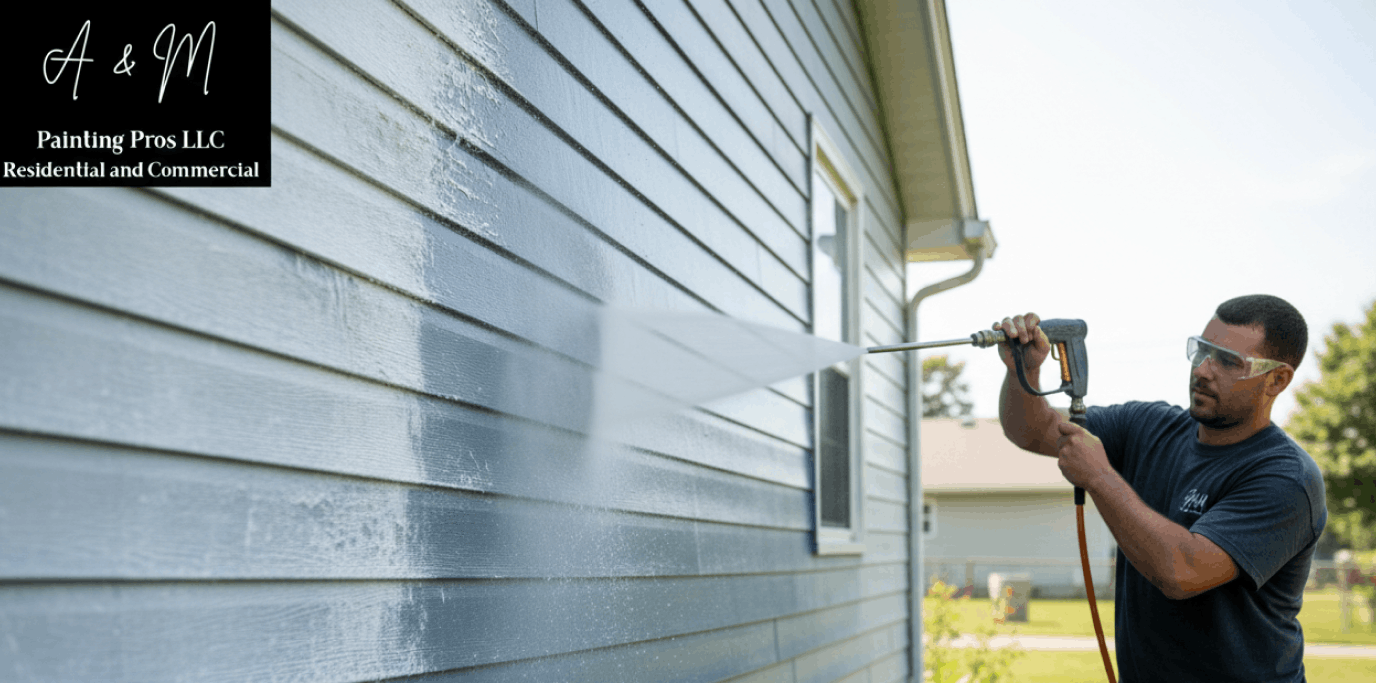
- Cleaning: Every square inch must be free of dirt, mildew, and oxidation. A mixture of water and a mild detergent is usually sufficient.
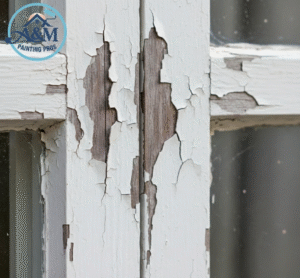
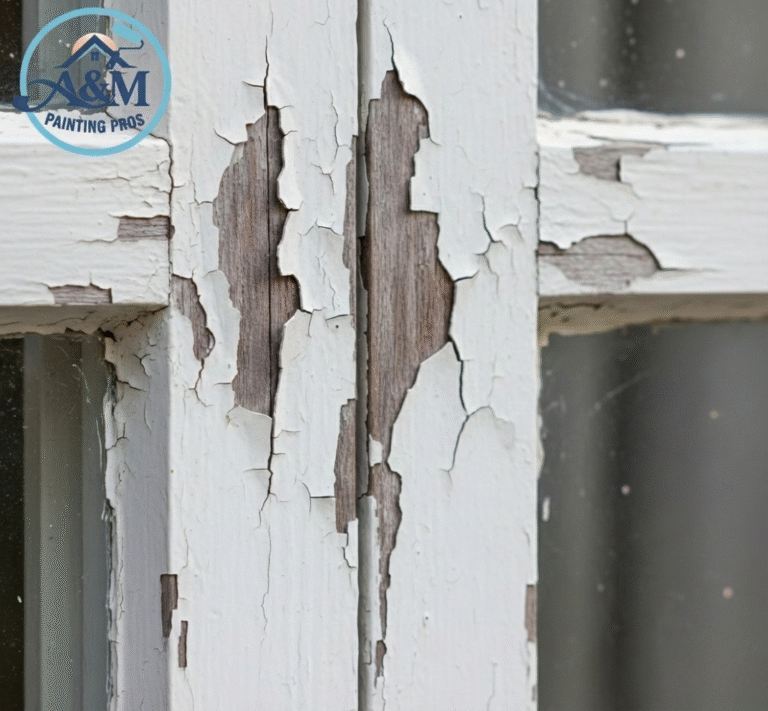
- Scraping and Sanding: For wood siding, any loose or flaking old paint must be removed. This creates a smooth surface for the new bond. As part of this step, ensure any structural damage identified during inspection is repaired or replaced.
- Caulking: Check the seals around windows, doors, and corner boards. Replace old, cracked caulk with a high-quality exterior-grade sealant to prevent water intrusion.
- Priming: While many modern paints are “self-priming,” bare wood or heavily weathered metal often requires a dedicated primer to ensure adhesion and block stains.
Paint Selection and Application Methods
The choice of paint is just as important as the preparation. A report from the Paint Quality Institute highlights that 100% acrylic latex paints offer superior adhesion and color retention for exterior surfaces compared to cheaper alternatives.
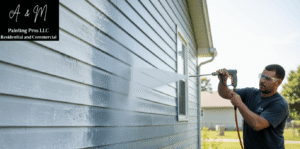
Spraying vs. Brushing Most professionals use a combination of spraying and back-brushing. Spraying allows for a fast, even coat over large areas, while back-brushing (running a brush over the wet paint) pushes the product into the grain and texture of the siding. This dual approach ensures maximum coverage and a better bond to the substrate.
Color Choice When selecting a color, consider the “fixed” elements of the home, such as the roof color and stone accents. For vinyl siding, remember the light reflectance rules mentioned earlier. For wood and fiber cement, the color options are virtually limitless.
Bonus Tip: Always test a large sample patch on the actual siding. Colors look different on a small paper swatch than they do across a twenty-foot wall in natural daylight.
Common Questions
Is it better to use a brush or a roller?
For siding, a brush is better for detail work and ensuring paint gets into the gaps between boards. A roller works well on flat fiber cement panels, but an airless sprayer is the most efficient tool for large houses.
How many coats are necessary?
Two coats are standard. The first coat seals the surface, and the second coat provides the true color and protection. Applying a single heavy coat often leads to drips and uneven drying.
Can I paint siding that has a wood grain texture?
Yes. In fact, textured siding often holds paint better than perfectly smooth surfaces because there is more surface area for the paint to grip. Back-brushing is essential here to make sure the paint reaches the bottom of the faux-grain grooves.
Practical Maintenance for Painted Siding
Once the siding is painted, basic maintenance will keep it looking fresh for a decade or more.
- Annual Wash: Use a garden hose to rinse off dust and pollen every spring. Avoid high-pressure power washing on painted surfaces, as it can blast the paint right off the material.
- Vegetation Management: Keep bushes and tree limbs trimmed at least twelve inches away from the house. Plants that rub against the siding will abrade the paint and trap moisture against the wall.
- Gutter Cleaning: Ensure gutters stay clear so water doesn’t overflow and run down the siding, which can lead to staining or wood rot.
Specific Concerns for Homeowners
Can you paint over mold or mildew?
Never paint over biological growth. The mold will continue to grow under the paint film, causing it to bubble and peel. Use a bleach-based cleaner or a specialized fungicidal wash to kill the spores before any paint touches the surface.
How long does the process take?
An average-sized two-story home usually takes a professional crew three to five days. This includes a full day of cleaning and drying, a day of masking and prep, and two days of application. DIY projects typically take two to three weekends of steady work.
What is the best time of year to paint?
Late spring and early fall are generally the most stable seasons. Avoid the middle of summer when temperatures are consistently above 90 degrees, and avoid late autumn when overnight frosts can prevent the paint from curing properly.
Why Painting is a Sustainable Choice
Repairing and painting existing siding is more environmentally friendly than replacement. It reduces the amount of construction waste sent to landfills and minimizes the demand for new plastic or cement products. By maintaining the current exterior, a homeowner effectively recycles the existing structure of the house.
A report from the U.S. Census Bureau shows that vinyl and fiber cement remain the most popular siding choices in new construction. Keeping these materials in good condition through painting supports long-term housing durability and waste reduction.
Summary of Key Takeaways
Painting siding is a highly effective way to update a home’s appearance while protecting the underlying structure. The key to a successful project lies in identifying the material, performing thorough cleaning and repair, and selecting a paint specifically designed for exterior use. While vinyl requires attention to color darkness and heat absorption, wood and fiber cement need solid sealing and moisture protection. By following professional preparation standards, a fresh coat of paint can provide fifteen years of beauty and defense against the elements. Homeowners should evaluate the current state of their siding and check for any warranty restrictions before beginning work to ensure a long-lasting and aesthetically pleasing result.
Contact Information for Project Support
If the process of preparing and painting a home exterior seems overwhelming, professional assistance is available. A&M Painting Pros specializes in high-quality exterior finishes for all siding types. For a detailed assessment of a specific house or to discuss color options that are safe for vinyl and metal, contact A&M Painting Pros by calling (801) 953-9039. Questions can also be sent via email to mariopaintingpros@gmail.com for expert guidance on any residential painting project.
Sources
- Vinyl Siding Institute – An industry trade association providing technical standards and safety guidelines for vinyl siding maintenance and installation.
- Angi – A leading home services marketplace that aggregates national data on home improvement costs and contractor pricing.
- U.S. Census Bureau – The primary government agency providing data on housing characteristics and construction trends in the United States.