Painting the exterior of a home is one of the most effective ways to increase its market value and curb appeal. Real estate experts and professional appraisers generally agree that a fresh coat of paint can increase a home’s value by 2% to 5%. In many cases, this project yields a return on investment exceeding 100%, meaning the increase in property value often surpasses the actual cost of the painting service.
Beyond the immediate financial gain, exterior painting serves as a necessary maintenance step that protects the structural integrity of the building. This article provides a comprehensive look at how paint influences property worth, the specific factors that drive these returns, and practical considerations for homeowners looking to maximize their investment. The information presented here comes from years of field experience in residential maintenance and property preparation.
Financial Return on Investment for Exterior Painting
The financial impact of a new paint job is often seen immediately upon listing a property. According to data published by HomeLight, a fresh exterior paint job can add an average of $7,571 to a home’s resale value, representing a significant return on the initial expenditure. This value stems largely from improved curb appeal, which influences a buyer’s first impression before they even step inside the front door.
Market research from Zillow indicates that specific color choices can also sway final sale prices. While the act of painting adds value, the selection of the right shades ensures the home appeals to the widest possible audience. Most buyers prefer neutral palettes that allow them to visualize their own style without the immediate need for renovations.
Regional Variations in Value
Value increases are not uniform across all locations. In areas with harsh weather conditions, a high-quality paint job is viewed as a sign of a well-maintained home. Buyers in these regions often pay a premium for properties where they do not have to worry about immediate siding repairs or wood rot.
Appreciation Through Maintenance
A home that looks neglected on the outside suggests potential issues on the inside. By refreshing the exterior, the property moves into a higher tier of marketability. Appraisers look at the condition of the “building envelope,” and an intact, clean paint film indicates that the owner has taken care of the underlying materials.
Protective Benefits and Longevity
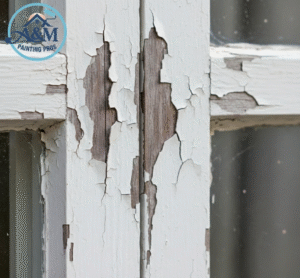
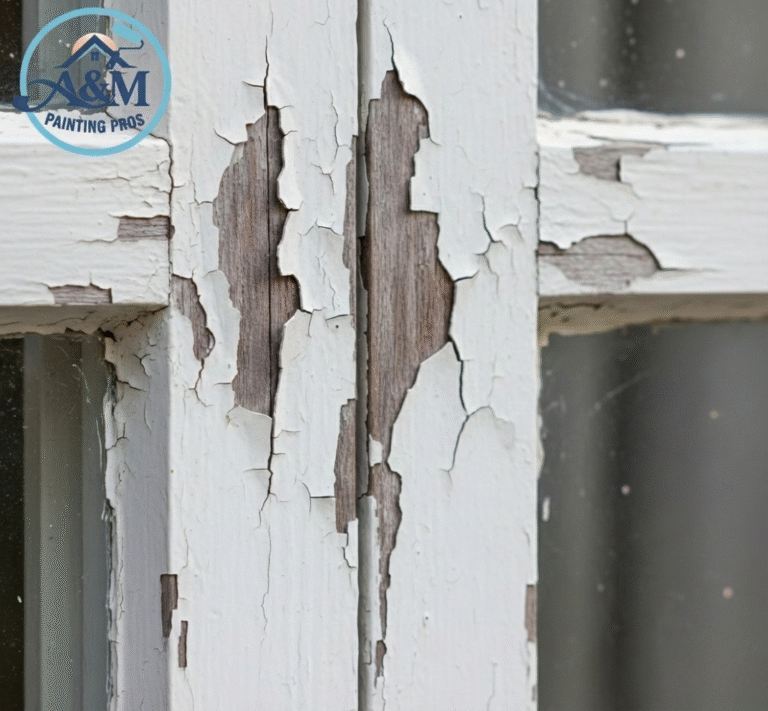
The primary function of exterior paint is to act as a barrier between the siding material and the elements. Wood, stucco, and even fiber cement require protection from moisture, UV rays, and temperature fluctuations. When paint cracks or peels, water can seep into the substrate, leading to mold, mildew, and rot.
Preventative maintenance is always less expensive than structural repairs. By applying high-quality coatings, homeowners prevent the degradation of expensive siding materials. This proactive approach saves thousands of dollars in the long run and ensures that the home remains an asset rather than a liability.
Bonus Tip: Check the caulking around windows and doors before starting any paint project. Seals often fail before the paint does, and replacing them during the painting process provides a better weather seal.
Comparing Value Added by Exterior Improvements
The following table outlines how exterior painting compares to other common outdoor home improvements regarding estimated cost and potential value recovery.
| Project Type | Average Estimated Cost | Potential ROI | Impact on Curb Appeal |
|---|---|---|---|
| Exterior Painting | $3,000 – $7,000 | 100% – 140% | Very High |
| New Garage Door | $1,500 – $4,000 | 90% – 102% | High |
| Landscaping Refresh | $1,000 – $5,000 | 100% | High |
| Siding Replacement | $12,000 – $20,000 | 75% – 80% | High |
| Deck Addition | $10,000 – $15,000 | 65% – 70% | Moderate |
Color Selection and Marketability
Choosing the right color is a strategic decision. While personal preference matters for long-term residents, those looking to add value should stick to “safe” colors. A report from the National Association of Realtors suggests that exterior improvements like painting are among the top projects that appeal to buyers and help seal a sale.
The Power of Neutrals
Off-whites, grays, beiges, and “greige” (a mix of gray and beige) remain the top performers in the real estate market. These colors make a home look larger and cleaner. They also coordinate well with various roofing colors and landscaping styles, making the home a blank canvas for the next owner.
Accent Colors for Visual Interest
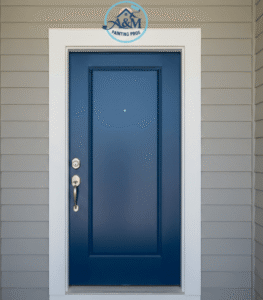
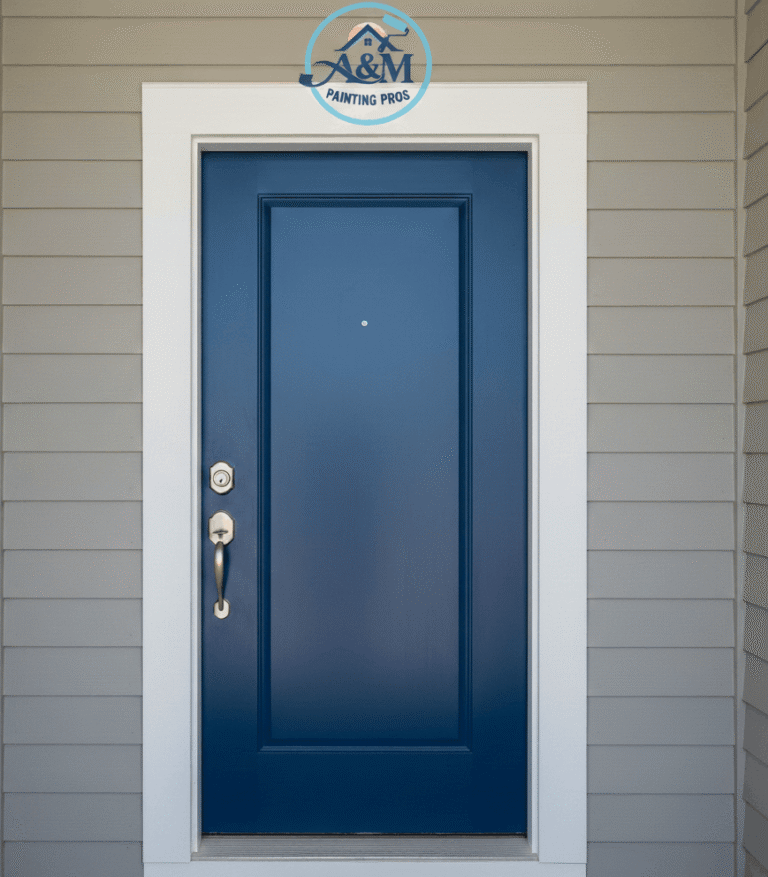
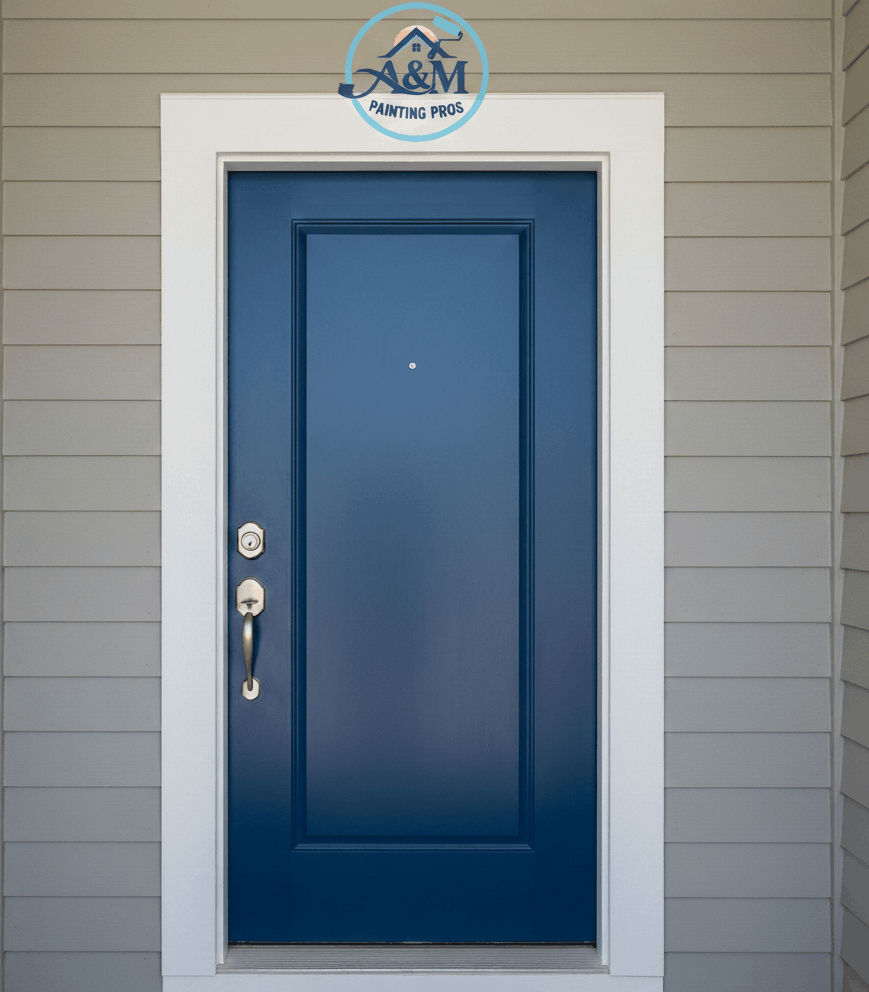
While the main body of the house should stay neutral, the front door and shutters offer an opportunity to add a “pop” of color. A deep navy, forest green, or even a classic red door can make a property stand out in online listings. This creates a focal point that guides the buyer’s eye toward the entrance.
Things to Consider Before Making a Decision
Before investing in a full exterior repaint, several factors require evaluation to ensure the project actually adds the expected value.
- Existing Siding Condition: If the siding is warped, rotted, or infested with insects, paint will only mask the problem temporarily. Structural issues must be addressed first.
- Neighborhood Standards: Look at the homes nearby. If the property is the only one on the block with a bright purple exterior, it might actually lose value. Aim to fit the neighborhood aesthetic while still looking fresh.
- Climate and Timing: Painting in extreme heat or high humidity can cause the paint to dry too quickly or fail to bond correctly. Plan the project for a window of dry, mild weather.
- HOA Regulations: Many Homeowners Associations have strict rules about approved color palettes. Getting approval first avoids the cost of repainting if the color is rejected.
Bonus Tip: Always request a sample and paint a large swatch on different sides of the house. Colors look different in morning light than they do in the evening.
Common Questions About Exterior Painting
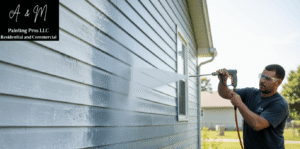
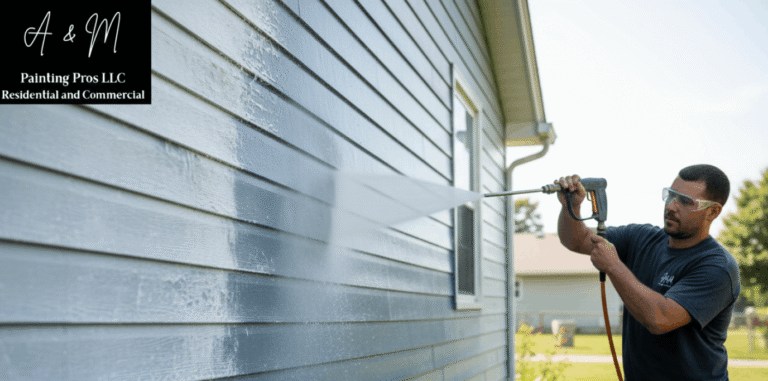
Many homeowners wonder if they can simply power wash their home instead of painting. While power washing removes dirt, it does not provide the protective layer or the color restoration that paint offers. If the current paint is chalking or fading, washing alone will not restore the home’s value.
Another common inquiry involves the difference between DIY and professional application. While DIY can save money on labor, professional painters have access to commercial-grade equipment and high-end coatings that last longer. For the purpose of adding value, the finish must be flawless. Drips, overspray, and uneven lines can actually detract from a home’s worth.
Neighborhood Expectations and Professional Standards
High standards of preparation are what separate a value-adding project from a standard one. This includes scraping old paint, sanding surfaces, and priming bare spots. Skipping these steps leads to early failure, which a savvy home inspector will notice. A&M Painting Pros emphasizes that the longevity of the finish depends almost entirely on what happens before the first gallon of paint is opened.
A professional finish also ensures that the trim, fascia, and soffits are properly protected. These areas are prone to moisture damage. Using specific paints designed for these surfaces prevents peeling and maintains a crisp look for years.
Popular Questions About Adding Value Through Paint
Does the type of paint finish affect the home value?
Most experts recommend a satin or eggshell finish for the main siding and a semi-gloss for the trim. These finishes are easier to clean and resist scuffs better than flat paint. A durable, cleanable surface is a selling point for buyers.
How often should a house be painted to maintain its value?
On average, a home should be repainted every 5 to 10 years. This timeline varies based on the siding material and local weather. Wood siding typically needs more frequent attention than fiber cement or brick.
Can painting brick increase or decrease a home’s value?
This is a debated topic. In some markets, painted brick is very trendy and adds value. However, it is a permanent decision that increases future maintenance requirements. If the brick is in poor condition, painting is often a great way to hide imperfections and modernize the look.
Is it worth painting if I am selling my house next month?
Yes. Curb appeal is often the deciding factor for whether a buyer even schedules a tour. A fresh exterior makes the home look “move-in ready,” which is a major draw for the current generation of homebuyers.
Summary of Key Points
Painting the exterior of a house is a reliable way to boost property value and protect the building from environmental damage. It provides a high return on investment and makes a property more attractive to potential buyers. By choosing neutral colors and ensuring professional application, homeowners can maximize the financial benefits of this project. Always assess the condition of the siding and check local neighborhood trends before selecting a final color scheme.
Expert Assistance for Your Home
When the time comes to update a property, getting the job done correctly is the most important factor. A&M Painting Pros offers expert services to ensure every exterior project meets high standards of durability and aesthetics. For a detailed discussion about a specific project or to receive a quote, contact the team at (801) 953-9039 or via email at mariopaintingpros@gmail.com. Quality workmanship helps protect the investment and ensures the home remains a standout in the neighborhood.
Sources
- HomeLight – A real estate platform that provides data on home improvements and their impact on resale value.
- Zillow – A leading real estate marketplace that offers insights into buyer preferences and color trends.
- National Association of Realtors – A professional organization providing research on market trends and home renovation ROI.
- Consumer Reports – An independent organization that tests products and provides guidance on the longevity of exterior coatings.