Most residential exteriors require a new coat of paint every 5 to 10 years. The specific timeframe depends heavily on the siding material, local weather conditions, and the quality of the previous application. Wood siding typically needs attention every 3 to 7 years, while more durable materials like fiber cement can wait up to 15 years before needing a refresh.
This guide provides a detailed breakdown of maintenance schedules for various materials and environments. Understanding these cycles helps homeowners protect their property from moisture damage and wood rot while maintaining curb appeal. Expertise in residential maintenance confirms that identifying early signs of wear can prevent expensive structural repairs later.
Durability Based on Siding Material
Different materials hold paint differently because of their texture and how they react to temperature changes. For instance, wood expands and contracts significantly, which can cause paint to crack faster than it would on a stable surface like fiber cement. A report by Forbes Home suggests that the substrate is the primary factor in determining the longevity of a paint job.
| Siding Material | Recommended Painting Frequency |
|---|---|
| Wood Siding | 3 to 7 Years |
| Aluminum Siding | 5 Years |
| Stucco | 5 to 10 Years |
| Brick (Painted) | 15 to 20 Years |
| Vinyl Siding | 20 Years |
| Fiber Cement (Hardie Board) | 10 to 15 Years |
Wood requires the most frequent maintenance because it is susceptible to moisture and pests. If the paint film breaks, water can seep into the wood, leading to rot. Stucco is porous and can last a decade, but it often requires specialized masonry paint to allow the material to breathe.
Environmental Factors and Weather Impact
Local climate is the second most influential factor in paint degradation. Homes in areas with intense sun exposure, high humidity, or frequent storms will need painting services more often than those in mild climates. Direct sunlight is particularly harsh as ultraviolet rays break down the chemical bonds in paint, causing it to fade and become brittle.
Coastal homes face unique challenges. Salt air is corrosive and can eat through paint and primers quickly. According to maintenance data from Consumer Reports, homes near the ocean may need a new coat every few years to protect the underlying structure from salt damage. Similarly, regions with extreme temperature swings cause siding to expand and contract rapidly, which puts stress on the paint layer and leads to premature peeling.
Bonus Tip: Inspect the south and west sides of the house more frequently. These sides usually receive the most direct sunlight and are often the first areas to show signs of fading or chalking.
Quality of Previous Paint and Surface Preparation
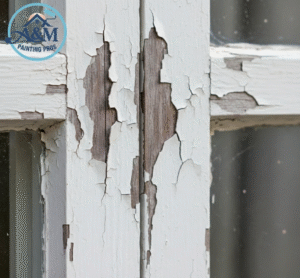
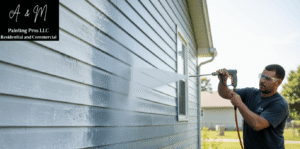
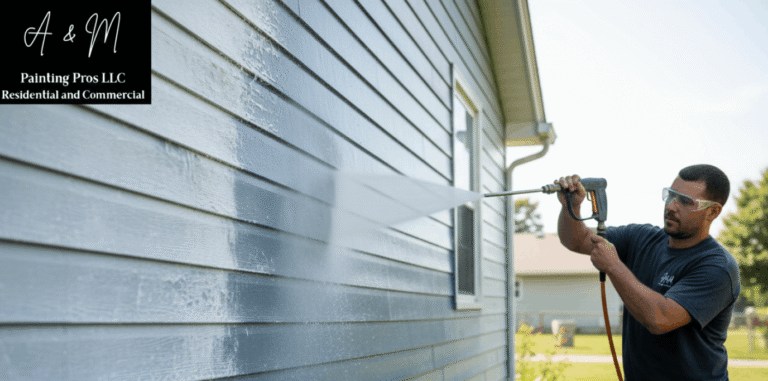
Regardless of environmental stress, the longevity of a paint job is often decided before the first brushstroke. Proper preparation includes power washing, scraping off loose flakes, sanding rough edges, and applying a high-quality primer. If a previous painter skipped these steps, the new layer will likely fail within a few years, regardless of the paint quality used.
High-quality acrylic latex paints generally last longer and remain more flexible than oil-based alternatives. Flexible paint moves with the house, which prevents cracking during seasonal shifts. Using cheap, low-grade paint is a common mistake that leads to a shorter maintenance cycle. A&M Painting Pros observes that investing in premium materials typically extends the life of the project by several years, making it more cost-effective over time.
Market Data and Property Value
Beyond structural protection, maintaining a fresh exterior is a vital financial strategy. Data from the National Association of Realtors indicates that exterior painting is one of the top home improvement projects for recovering costs at the time of sale. A well-maintained exterior signals to buyers that the home has been cared for, which can prevent low offers based on perceived neglect.
Things to Consider Before Making a Decision
Before scheduling a project, several factors should be evaluated to ensure the timing is right. Painting too early wastes money, but waiting too long can lead to surface damage that is expensive to fix.
- Current Paint Condition: Look for “chalking,” which is a fine powder that forms on the surface as the binder breaks down. If rubbing a hand across the paint leaves a dusty residue, the paint is reaching the end of its life.
- Presence of Rot or Mold: Paint will not stick to rotting wood or surfaces covered in biological growth. These issues must be addressed before any painting begins.
- Future Plans: If the house will be listed for sale in the next year, a fresh coat can significantly increase the speed of the sale and the final price.
- Color Choice: Darker colors absorb more heat and tend to fade faster than lighter shades. If the home is currently a dark hue, it might need more frequent touch-ups.
Common Questions Regarding Exterior Painting
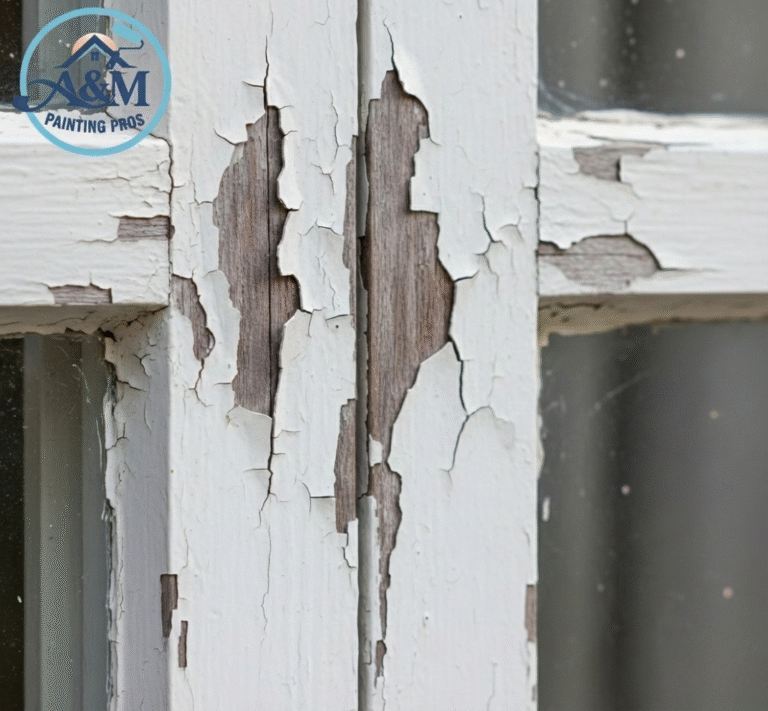
Homeowners often ask if they can simply paint over old, peeling layers. The answer is a firm no; painting over loose material guarantees that the new coat will fall off as the old layer continues to detach. Another frequent question involves the best time of year for the project. Ideally, painting should occur when weather is dry and temperatures are consistent, typically between 50 and 90 degrees Fahrenheit.
Bonus Tip: Perform a “thumb test” on areas where paint looks suspect. Press a piece of high-tack tape against the paint and pull it off quickly. If paint flakes come off with the tape, the bond has failed and the surface needs scraping and priming.
Practical Insights for Homeowners
Regular cleaning can extend the life of a paint job. Washing the house once a year to remove dirt, bird droppings, and pollen prevents these substances from eating into the finish. It also allows the homeowner to spot small cracks or chips that can be touched up before they turn into larger problems.
A&M Painting Pros recommends checking the caulking around windows and doors every spring. If the caulk is cracked or missing, water can get behind the siding and cause the paint to bubble from the inside out. Replacing a few dollars’ worth of caulk can save thousands in paint and siding repairs.
Direct Answers to Frequent Maintenance Queries
What is the best season for exterior painting?
Early summer and early fall are generally the best times because the humidity is lower and the temperatures are moderate. Avoid painting when there is a high chance of rain or when temperatures drop significantly at night, as this interferes with the curing process.
Does the number of coats affect how long it lasts?
Yes, applying two coats of high-quality paint over a proper primer is the standard for a long-lasting finish. While one coat might look acceptable initially, it lacks the thickness needed to provide a durable barrier against the elements.
Should I scrape all the old paint off?
Only the loose or peeling paint needs to be removed. If the existing paint is still well-adhered to the surface, it can be sanded and painted over. However, any edges where old paint meets bare wood should be feathered with sandpaper to create a smooth transition.
How does the sun affect different colors?
Darker colors like navy blue or forest green absorb more ultraviolet radiation. This leads to faster thermal expansion and more rapid pigment breakdown. Lighter colors like beige, gray, or white reflect more sun and usually maintain their appearance longer.
Summary of Maintenance Schedules
Maintaining the exterior of a home requires a balance of observation and proactive action. While the 5 to 10 year window is a standard benchmark, the specific needs of a property are dictated by its material and its environment. Wood requires the most frequent care, while brick and fiber cement offer longer intervals between projects.
Homeowners should monitor their property for signs of chalking, cracking, or fading. Addressing these signs early protects the building envelope and ensures the home remains a valuable asset. Evaluate the current condition of the siding and consider the local climate when planning the next maintenance cycle.
Professional Exterior Care Solutions
A&M Painting Pros provides detailed assessments and high-quality exterior painting services tailored to the specific needs of residential properties. Maintaining a home’s exterior protects it from the elements and preserves its market value. For professional guidance or to schedule an evaluation of your home’s current paint condition, contact the team directly. Reach out via phone at (801) 953-9039 or send an email to mariopaintingpros@gmail.com to discuss maintenance options and project timelines.
Sources
- Forbes Home – A comprehensive guide on painting frequencies for different types of siding and materials.
- Consumer Reports – Expert testing and data regarding the longevity of exterior paint and the impact of environmental factors.
- National Association of Realtors – Market research highlighting the return on investment for various outdoor home improvement projects.